Tag: internet services

  • How to Connect Multiple Devices to Wi-Fi: A Comprehensive Guide

    How to Connect Multiple Devices to Wi-Fi: A Comprehensive Guide

    Understanding Connection Limits

    As technology advances, our reliance on wireless networks has increased, raising questions about the capacity of Wi-Fi routers to support multiple devices. Typically, consumer-grade routers can support between 10 to 30 connected devices. However, two significant factors come into play: the specifications of the router itself and the types of devices being connected.

    One of the primary differences in Wi-Fi technology is the distinction between the 2.4GHz and 5GHz frequency bands. The 2.4GHz band has a longer range and can penetrate walls better, but it is more susceptible to congestion as many devices operate on this frequency, leading to interference. In contrast, the 5GHz band, although offering faster speeds and less interference, has a shorter range. This limitation can affect the number of devices that a router can efficiently support. Thus, if multiple devices are connected to the 2.4GHz band, performance may decrease significantly as the number of connected devices increases.

    Additionally, types of connected devices can greatly influence bandwidth usage. For instance, smart TVs or gaming consoles require a substantial amount of bandwidth compared to simpler devices like smart bulbs or temperature sensors. High-demand devices can hog bandwidth, potentially leading to slower connections for other devices on the same network. As such, understanding a router’s specifications, including its Maximum Number of Concurrent Connections, is crucial for optimizing performance and ensuring that all devices maintain a stable connection. Users should also consider their bandwidth needs when deciding how to allocate their Wi-Fi connections, as this affects overall network performance.

    Securely Sharing Wi-Fi Passwords

    Sharing Wi-Fi passwords is a common requirement in both personal and professional settings. However, it is essential to ensure that this process does not compromise network security. Numerous best practices can help facilitate safe sharing of credentials, thereby protecting your network from unauthorized access.

    One effective method for securely sharing Wi-Fi passwords is the use of QR codes. This technique allows users to generate a QR code linked to the network credentials. Recipients can access the internet simply by scanning the code with their smartphones. This not only simplifies the sharing process but also minimizes the risk of revealing the password to others who may be nearby.

    In addition to QR codes, periodically changing your Wi-Fi password is a crucial step in maintaining security. Regular updates deter potential intruders from gaining access to your network. When changing the password, ensure that you communicate the new credentials to all authorized devices, such as smart home systems and computers, to avoid internet disruption. Consider using a password manager; it can help securely store and manage complex passwords, making it easier to update credentials without compromising security.

    Moreover, be mindful of the people with whom you share your Wi-Fi password. Limit distribution to trusted individuals and, if necessary, consider creating a guest network for temporary visitors. A guest network provides separate access to the internet while keeping your primary network secure. This practice allows you to maintain control over who is connected and how much access they have.

    By implementing these strategies, users can effectively share their Wi-Fi credentials without putting their networks at risk, thereby securing their online environments while remaining connected with multiple devices.

    Preventing Speed Loss with Multiple Connections

    As more devices connect to a single Wi-Fi network, maintaining optimal speed can become a challenge. When managing multiple connections, it is essential to adopt strategies that minimize speed loss. One effective approach is to leverage Quality of Service (QoS) settings. QoS prioritizes network traffic, allowing you to allocate bandwidth to devices based on their needs. For example, if streaming video is consuming significant bandwidth, you can adjust settings to ensure that critical tasks, like video conferencing or online gaming, receive priority. By configuring QoS appropriately, you can enhance performance even with several devices connected simultaneously.

    Another key factor in preventing speed degradation is hardware optimization. Upgrading your router can have a considerable impact. Modern routers often come equipped with advanced features, including dual-band or tri-band capabilities, which can significantly improve performance. By using both the 2.4 GHz and 5 GHz bands, you can efficiently manage network congestion. The 2.4 GHz band offers broader coverage but lower speeds, while the 5 GHz band provides a faster connection over shorter distances. This dual-band approach allows multiple devices to connect without overburdening a single frequency.

    It is also crucial to manage device activity, particularly during peak times. Setting a schedule for high-bandwidth activities, such as large downloads or backups, can prevent slowdowns during busy hours. In households with multiple users, coordinating device usage can help ensure that one user’s activity does not inhibit another’s. By being mindful of peak usage times and employing strategies like QoS and hardware enhancements, you can maintain a stable and fast Wi-Fi connection across all devices.

    Troubleshooting Common Connection Issues

    When connecting multiple devices to Wi-Fi, users often encounter several common issues that can disrupt their connectivity experience. These problems may include dropped connections, slow internet speeds, and difficulty in recognizing devices on the network. Understanding the underlying causes of these issues and how to troubleshoot them can significantly enhance the quality of the Wi-Fi experience.

    One of the first steps in troubleshooting connectivity issues is to reset the router. A simple restart can often resolve minor issues by clearing temporary glitches and refreshing the device’s connection to the internet. To perform a reset, switch off the router, wait for about 30 seconds, and then power it back on. This process helps in reestablishing a stable connection for all devices.

    Another essential step is to check for firmware updates on the router. Manufacturers periodically release firmware updates that improve performance, security, and compatibility with various devices. Access the router’s settings via a web browser, and look for any available updates to ensure the router is functioning optimally.

    Additionally, optimizing network settings can greatly enhance performance, particularly when multiple devices are connected. It may be beneficial to change the Wi-Fi channel to reduce interference from neighboring networks. If the router supports dual-band functionality, consider connecting devices to the 5 GHz band, which typically offers higher speeds and less congestion compared to the 2.4 GHz band. Furthermore, ensure that the router’s Quality of Service (QoS) settings are appropriately configured to prioritize bandwidth for essential applications.

    Lastly, regularly checking the physical connections and verifying that no obstructions block the router can also prevent slow speeds and dropped connections. By systematically addressing these common issues, users can improve their overall Wi-Fi experience.
  • How to Fix Slow Internet at Home: Simple Steps to Improve Connectivity

    How to Fix Slow Internet at Home: Simple Steps to Improve Connectivity

    Move Your Router to a Central Location

    One of the most crucial factors impacting your home internet speed and connectivity is the placement of your router. A router that is centrally located in your home tends to provide better coverage and improved internet speeds. When the router is positioned away from walls, electronic devices, and other obstructions, it can significantly reduce the potential for interference, which often leads to dropped connections or slow speeds.

    To find an optimal location for your router, consider placing it in an elevated position, ideally on a shelf or a mounted bracket. Ensure that it is in a room that is central to where most of your internet usage takes place. This strategic placement minimizes the distance the signal has to travel to reach various devices in your home.

    Additionally, keep the router away from thick walls and large furniture that could obstruct the signal. Household appliances such as microwaves and cordless phones can also interfere with the Wi-Fi signal, so it is advisable to position the router away from these devices. By doing so, you can enhance the connectivity and overall performance of your internet service.

    In summary, the location of your router plays a pivotal role in determining the quality of your internet connection at home. By moving your router to a central location and ensuring it is free from obstructions, you can effectively reduce dead zones and improve your internet speed, providing a more seamless online experience for all users in your household.

    Reduce the Number of Connected Devices

    One of the key factors influencing internet speed within a home network is the number of devices connected at any given moment. Each device, whether it’s a smartphone, tablet, laptop, or smart home appliance, requires a portion of the available bandwidth provided by your internet service provider (ISP). Bandwidth is essentially the capacity of your internet connection, and it can become congested when too many devices attempt to access it simultaneously, leading to significant slowdowns in connectivity.

    To enhance your internet speed, it’s prudent to evaluate the number of devices connected to your network. Begin by conducting an audit of all connected devices. This can usually be done via your router’s web interface, which often displays a list of devices currently online. Once you have identified these devices, consider disconnecting or turning off those that are unnecessary, particularly during peak usage times. Devices that may be idle or infrequently used—such as gaming consoles or smart TVs—should be given special consideration for disconnection.

    In addition to disconnecting unused devices, prioritizing essential devices can also help improve overall speed. Many routers offer Quality of Service (QoS) settings, which enable users to allocate more bandwidth to specific devices or applications that require a stronger connection, like video conferencing or online gaming. By managing your bandwidth in this manner, you can significantly reduce interference from other connected devices, thus enhancing the experience of crucial online activities.

    Ultimately, maintaining an efficient number of connected devices is vital in ensuring that your home internet remains fast and reliable. By reducing the number of devices and effectively managing bandwidth distribution, you can achieve a noticeable improvement in your connectivity speed.

    Understanding Internet Speed Tests

    Assessing your current internet speed is a crucial step towards identifying connectivity issues. The process begins with running a speed test, which can be accomplished using various online platforms. Simply search for “internet speed test” in your preferred search engine, and you will find several reputable tools. Popular choices include Ookla’s Speedtest, Fast.com, and Google’s own speed test feature. Once you’ve selected a tool, click on the ‘Go’ or ‘Start’ button to begin the test. The test typically measures three critical components: download speed, upload speed, and ping times.

    Download speed indicates how quickly data is transferred from the internet to your device, while upload speed measures how fast you can send data from your device back to the internet. Both speeds are expressed in megabits per second (Mbps). A high download speed is essential for activities such as streaming videos, online gaming, and large file downloads. Conversely, a robust upload speed is vital for video conferencing and sending large files.

    Ping time, measured in milliseconds, reflects the latency between your device and the server. Lower ping times indicate a faster response, which is particularly important in real-time applications like gaming. Typically, a ping under 20 ms is considered excellent, while anything over 100 ms could result in noticeable lag.

    After running the test, compare the results to the speed promised by your ISP. If your download and upload speeds fall significantly below the expected levels, it might be time to troubleshoot further. Repeatedly slow speeds, especially during peak hours, could warrant contacting your ISP for assistance. They may provide insights or enhancements that can rectify the situation and optimize your internet connectivity.

    Check Your Cables and Connections for Issues

    For optimal internet performance, it is crucial to ensure that all cables and connections are in good condition. Often overlooked, faulty cables can significantly degrade the quality of your internet connection and slow down your speeds. Common signs of issues with your cables include frayed or damaged insulation, loose connectors, and visible bends or kinks. These physical indicators can lead to various connectivity problems, resulting in frustrations like buffering or dropped connections.

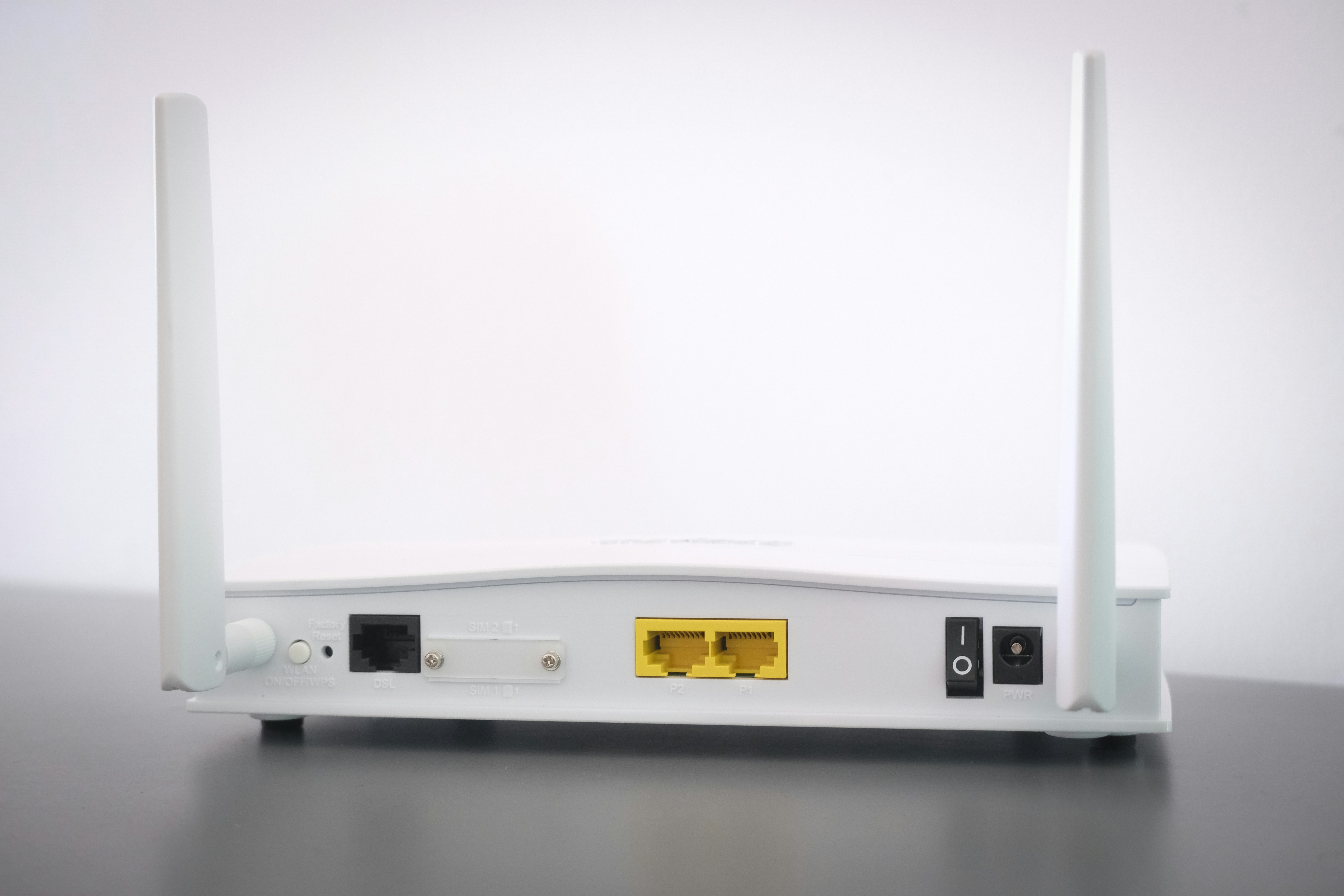
    To inspect your cables systematically, begin at the modem and extend your examination to each connection point, including routers, switches, and wall sockets. As you inspect your cables, it’s important to note any damaged areas and the overall appearance of connectors. A quick visual check is usually sufficient; however, for more thorough testing, consider using a cable tester that can diagnose specific faults or issues in your wiring.

    If you find any cables that are degraded or not functioning properly, you have two options: repair or replace. For minor issues, such as cuts in the insulation, electrical tape can serve as an immediate fix, ensuring a temporary solution until a permanent one is in place. However, if a cable is severely damaged or worn out, replacing it may be the best course of action. When replacing cables, choose high-quality options designed for your specific internet service needs, as using subpar materials can lead to similar issues in the future.

    In summary, the condition of your cables is vital for maintaining a strong and fast internet connection. Regularly checking, maintaining, and replacing your cables as needed will help to ensure that your home network operates at its peak performance, ultimately enhancing your internet experience.