Tag: wi-fi troubleshooting

  • How to Connect Multiple Devices to Wi-Fi: A Comprehensive Guide

    How to Connect Multiple Devices to Wi-Fi: A Comprehensive Guide

    Understanding Connection Limits

    As technology advances, our reliance on wireless networks has increased, raising questions about the capacity of Wi-Fi routers to support multiple devices. Typically, consumer-grade routers can support between 10 to 30 connected devices. However, two significant factors come into play: the specifications of the router itself and the types of devices being connected.

    One of the primary differences in Wi-Fi technology is the distinction between the 2.4GHz and 5GHz frequency bands. The 2.4GHz band has a longer range and can penetrate walls better, but it is more susceptible to congestion as many devices operate on this frequency, leading to interference. In contrast, the 5GHz band, although offering faster speeds and less interference, has a shorter range. This limitation can affect the number of devices that a router can efficiently support. Thus, if multiple devices are connected to the 2.4GHz band, performance may decrease significantly as the number of connected devices increases.

    Additionally, types of connected devices can greatly influence bandwidth usage. For instance, smart TVs or gaming consoles require a substantial amount of bandwidth compared to simpler devices like smart bulbs or temperature sensors. High-demand devices can hog bandwidth, potentially leading to slower connections for other devices on the same network. As such, understanding a router’s specifications, including its Maximum Number of Concurrent Connections, is crucial for optimizing performance and ensuring that all devices maintain a stable connection. Users should also consider their bandwidth needs when deciding how to allocate their Wi-Fi connections, as this affects overall network performance.

    Securely Sharing Wi-Fi Passwords

    Sharing Wi-Fi passwords is a common requirement in both personal and professional settings. However, it is essential to ensure that this process does not compromise network security. Numerous best practices can help facilitate safe sharing of credentials, thereby protecting your network from unauthorized access.

    One effective method for securely sharing Wi-Fi passwords is the use of QR codes. This technique allows users to generate a QR code linked to the network credentials. Recipients can access the internet simply by scanning the code with their smartphones. This not only simplifies the sharing process but also minimizes the risk of revealing the password to others who may be nearby.

    In addition to QR codes, periodically changing your Wi-Fi password is a crucial step in maintaining security. Regular updates deter potential intruders from gaining access to your network. When changing the password, ensure that you communicate the new credentials to all authorized devices, such as smart home systems and computers, to avoid internet disruption. Consider using a password manager; it can help securely store and manage complex passwords, making it easier to update credentials without compromising security.

    Moreover, be mindful of the people with whom you share your Wi-Fi password. Limit distribution to trusted individuals and, if necessary, consider creating a guest network for temporary visitors. A guest network provides separate access to the internet while keeping your primary network secure. This practice allows you to maintain control over who is connected and how much access they have.

    By implementing these strategies, users can effectively share their Wi-Fi credentials without putting their networks at risk, thereby securing their online environments while remaining connected with multiple devices.

    Preventing Speed Loss with Multiple Connections

    As more devices connect to a single Wi-Fi network, maintaining optimal speed can become a challenge. When managing multiple connections, it is essential to adopt strategies that minimize speed loss. One effective approach is to leverage Quality of Service (QoS) settings. QoS prioritizes network traffic, allowing you to allocate bandwidth to devices based on their needs. For example, if streaming video is consuming significant bandwidth, you can adjust settings to ensure that critical tasks, like video conferencing or online gaming, receive priority. By configuring QoS appropriately, you can enhance performance even with several devices connected simultaneously.

    Another key factor in preventing speed degradation is hardware optimization. Upgrading your router can have a considerable impact. Modern routers often come equipped with advanced features, including dual-band or tri-band capabilities, which can significantly improve performance. By using both the 2.4 GHz and 5 GHz bands, you can efficiently manage network congestion. The 2.4 GHz band offers broader coverage but lower speeds, while the 5 GHz band provides a faster connection over shorter distances. This dual-band approach allows multiple devices to connect without overburdening a single frequency.

    It is also crucial to manage device activity, particularly during peak times. Setting a schedule for high-bandwidth activities, such as large downloads or backups, can prevent slowdowns during busy hours. In households with multiple users, coordinating device usage can help ensure that one user’s activity does not inhibit another’s. By being mindful of peak usage times and employing strategies like QoS and hardware enhancements, you can maintain a stable and fast Wi-Fi connection across all devices.

    Troubleshooting Common Connection Issues

    When connecting multiple devices to Wi-Fi, users often encounter several common issues that can disrupt their connectivity experience. These problems may include dropped connections, slow internet speeds, and difficulty in recognizing devices on the network. Understanding the underlying causes of these issues and how to troubleshoot them can significantly enhance the quality of the Wi-Fi experience.

    One of the first steps in troubleshooting connectivity issues is to reset the router. A simple restart can often resolve minor issues by clearing temporary glitches and refreshing the device’s connection to the internet. To perform a reset, switch off the router, wait for about 30 seconds, and then power it back on. This process helps in reestablishing a stable connection for all devices.

    Another essential step is to check for firmware updates on the router. Manufacturers periodically release firmware updates that improve performance, security, and compatibility with various devices. Access the router’s settings via a web browser, and look for any available updates to ensure the router is functioning optimally.

    Additionally, optimizing network settings can greatly enhance performance, particularly when multiple devices are connected. It may be beneficial to change the Wi-Fi channel to reduce interference from neighboring networks. If the router supports dual-band functionality, consider connecting devices to the 5 GHz band, which typically offers higher speeds and less congestion compared to the 2.4 GHz band. Furthermore, ensure that the router’s Quality of Service (QoS) settings are appropriately configured to prioritize bandwidth for essential applications.

    Lastly, regularly checking the physical connections and verifying that no obstructions block the router can also prevent slow speeds and dropped connections. By systematically addressing these common issues, users can improve their overall Wi-Fi experience.
  • How to Fix Wi-Fi Not Working on Your Laptop: A Comprehensive Guide

    How to Fix Wi-Fi Not Working on Your Laptop: A Comprehensive Guide

    Check Airplane Mode

    Airplane mode is a feature available on most laptops that is designed to deactivate all wireless communications, including Wi-Fi. If this mode is unknowingly enabled, it can lead to significant challenges in establishing an internet connection. Thus, it is essential for users to verify whether their laptop’s Airplane mode is turned on or off when experiencing Wi-Fi connectivity issues.

    To check and toggle Airplane mode, start by accessing the settings on your laptop. On Windows systems, you can accomplish this by clicking on the network icon located in the system tray at the bottom right corner of your screen. Next, look for the airplane icon; if it is highlighted or turned on, then Airplane mode is activated, which means Wi-Fi is currently disabled.

    Many laptops also come equipped with a specific keyboard shortcut that can quickly enable or disable Airplane mode. This is typically represented by a toggle key, often located on the function keys at the top of the keyboard. Look for a key with an airplane symbol; pressing this key, usually while holding the “Fn” key, will allow you to switch the mode. If your laptop is equipped with such a feature, it provides a fast and efficient way to check your connectivity status.

    Moreover, if you further explore the system settings, you will find additional options within the network settings that address Wi-Fi connections. On Windows, navigate to Settings > Network & Internet > Airplane mode to find the relevant options. Similarly, on Mac devices, you can check this under System Preferences > Network. By ensuring that Airplane mode is turned off, you will be able to restore your Wi-Fi connection and resolve any issues that may have arisen.

    Reset Network Adapter

    Resetting the network adapter can often resolve connectivity issues that may be causing your Wi-Fi to malfunction on your laptop. A network adapter acts as the bridge between your laptop and your wireless network. If it’s malfunctioning or improperly configured, you may experience problems connecting to Wi-Fi or maintaining a stable internet connection.

    To reset your network adapter, begin by accessing the Network Settings on your laptop. On Windows, you can do this by clicking on the Start menu, typing “Settings” in the search bar, and selecting the “Network & Internet” option. In the Network & Internet settings, navigate to the “Status” tab and scroll down to find the “Network reset” option. This feature allows you to reset the network settings of your device, effectively refreshing the network adapter.

    Click on “Network reset”, and you will see a warning about what this action will do. It will remove and/or reinstall all your network adapters and set other networking components back to their original settings. If you are ready to proceed, click the “Reset now” button. This process may take a few minutes to complete, and your laptop will restart automatically. After rebooting, your network adapter should be reset to its factory settings, which can eliminate conflicts and restore functionality.

    It is important to note that resetting your network adapter can be beneficial if you are facing issues such as frequent disconnections or an inability to detect available Wi-Fi networks. By resetting the network adapter, various misconfigurations are resolved, potentially enhancing your laptop’s ability to connect to Wi-Fi networks. If you continue to experience connectivity issues, consider further troubleshooting steps or consulting with technical support.

    Restart the Router

    One of the simplest yet most effective solutions for addressing Wi-Fi connectivity issues on your laptop is to restart the router. This process can help clear temporary glitches that may impede your network connection. Regardless of the router model you own, the general principles for rebooting are largely the same, although specific steps may vary slightly. Here, we detail a methodical approach to restart your router safely and efficiently.

    Firstly, locate the power source for your router. This will typically involve following the power cord from the router to the wall outlet. Unplugging the power cable is the first step; this should be done gently to avoid damaging the router’s connection ports. Once disconnected, wait for about 30 seconds. This interval is essential, as it allows for any residual power in the hardware to dissipate and reduces the likelihood of any errors when powering the device back on.

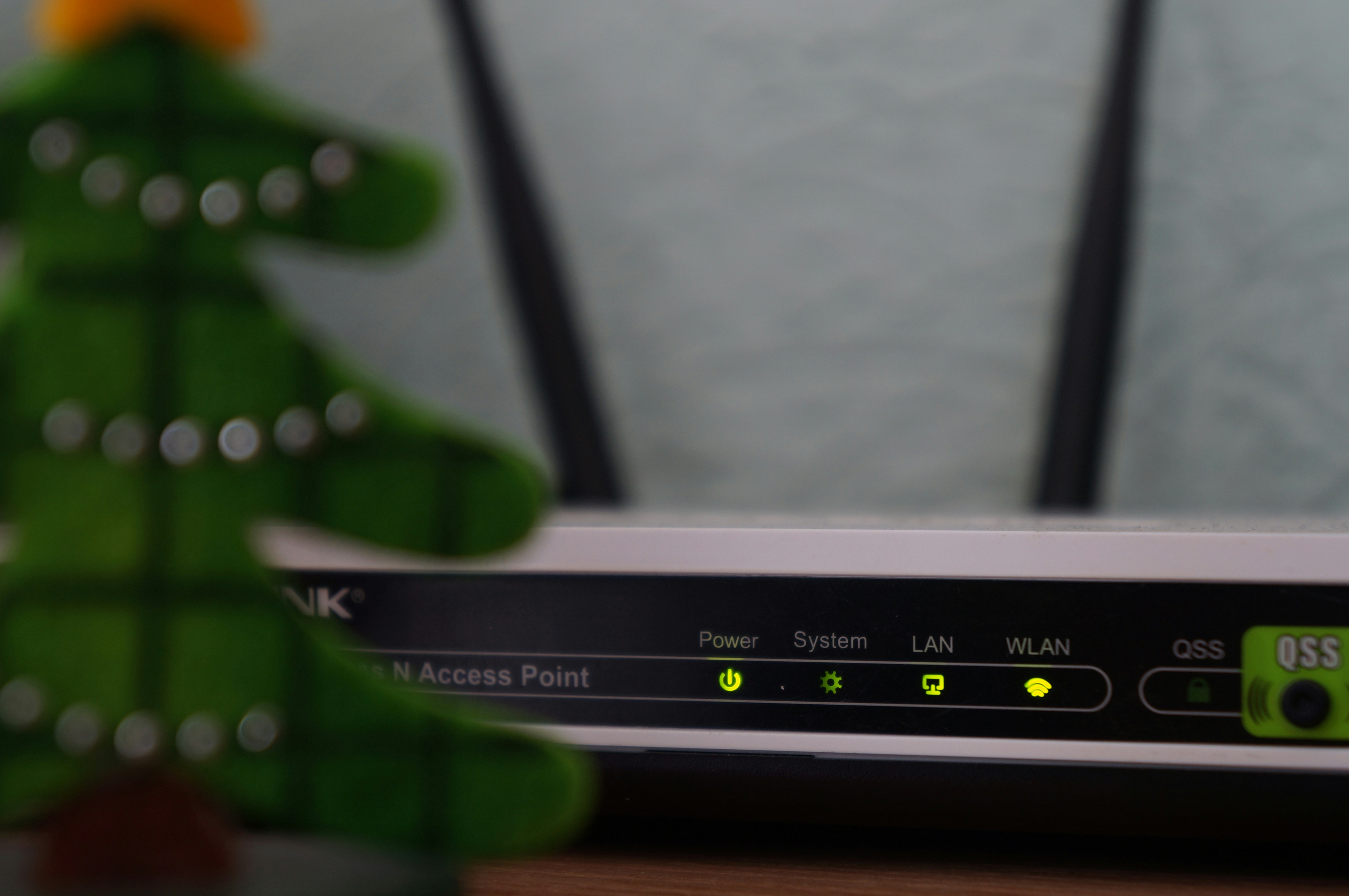
    After the wait, plug the power cord back into the router and wait for it to reboot completely. This could take a few minutes, during which the router will re-establish its connection with the internet service provider. Observing the indicator lights on the router can be helpful; typically, you will see them flicker as the device starts up and stabilizes. Wait until all relevant lights indicate a stable connection, which usually means the power and internet lights are solid.

    For routers equipped with a reset button, if a simple restart does not improve connectivity, you may consider resetting the router to factory settings. This action, however, should be a last resort, as it would erase all personalized settings. By following this straightforward procedure to restart your router, you can potentially resolve many Wi-Fi connectivity problems that hinder your laptop’s performance.

    Update Drivers

    Updating the drivers for your laptop’s wireless network adapter can be a critical step in resolving Wi-Fi issues. Drivers serve as the bridge between your operating system and hardware components, such as the wireless adapter. An outdated or corrupted driver can lead to unstable connections or the inability to connect to Wi-Fi networks entirely. Therefore, ensuring that your drivers are current is essential for maintaining robust Wi-Fi connectivity on your laptop.

    To check for driver updates through Device Manager, first, right-click on the Start menu and select “Device Manager” from the list. Once opened, you will see a list of hardware components categorized by type. Expand the section labeled “Network adapters” to view all installed network devices. Locate your wireless network adapter in the list; it often includes terms like “Wireless” or “Wi-Fi” in its name.

    Right-click on your wireless adapter and select “Update Driver”. You will then have two options: “Search automatically for updated driver software” or “Browse your computer for driver software.” The automated option is recommended as it allows Windows to search the internet for the latest drivers. If an update is found, follow the prompts to install it. After the installation, it is advisable to restart your laptop to ensure that the changes take effect.

    Keeping your wireless adapter drivers updated can not only resolve connectivity issues but also enhance the performance of your laptop’s internet speed and stability. In an age where reliable internet connection is essential for both work and leisure, regular updates can significantly improve the user experience. Regularly checking for updates can prevent potential issues before they arise, ensuring your laptop performs at its best consistently.