Tag: PC Optimization

  • How to Connect Multiple Devices to Wi-Fi: A Comprehensive Guide

    How to Connect Multiple Devices to Wi-Fi: A Comprehensive Guide

    Understanding Connection Limits

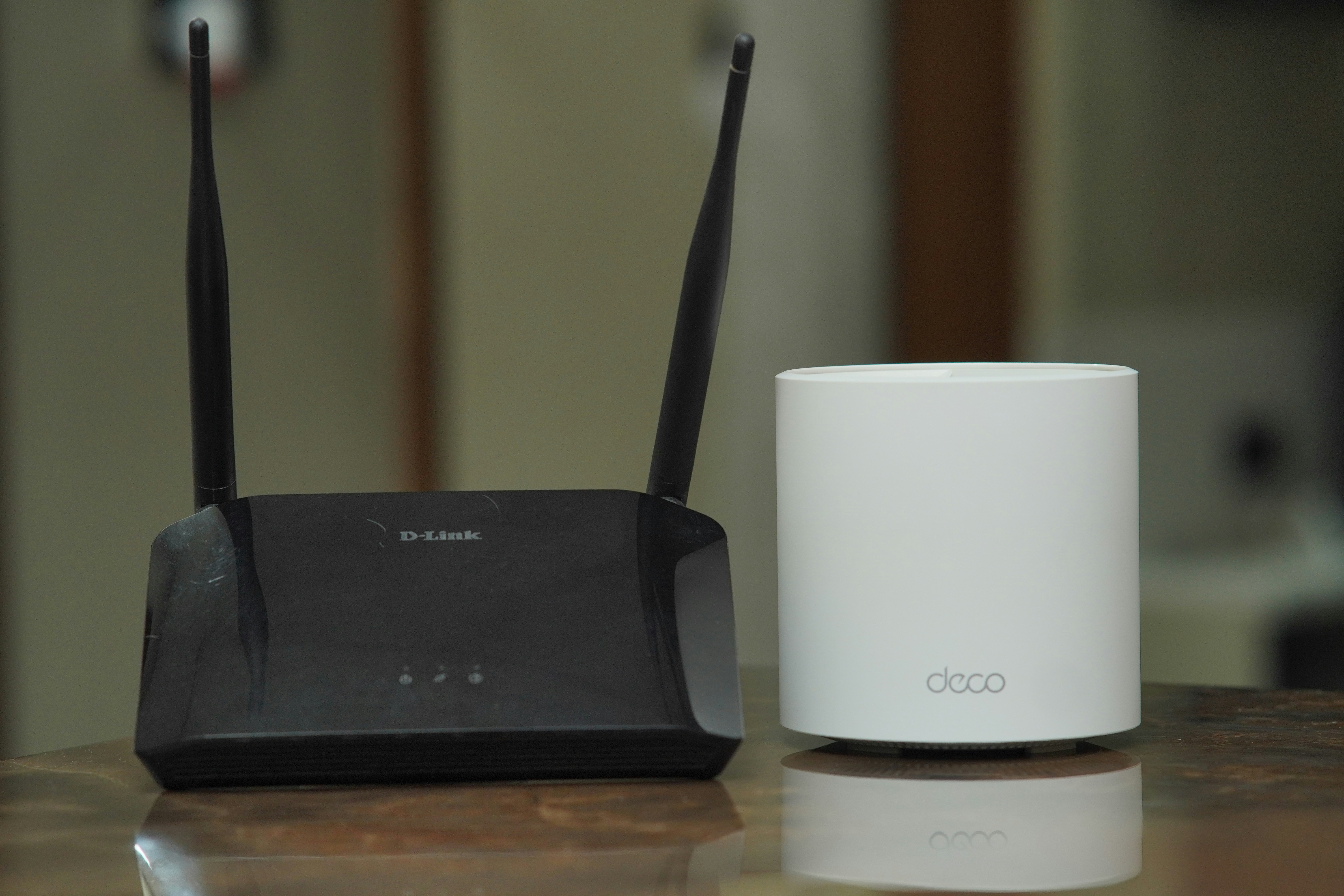
    As technology advances, our reliance on wireless networks has increased, raising questions about the capacity of Wi-Fi routers to support multiple devices. Typically, consumer-grade routers can support between 10 to 30 connected devices. However, two significant factors come into play: the specifications of the router itself and the types of devices being connected.

    One of the primary differences in Wi-Fi technology is the distinction between the 2.4GHz and 5GHz frequency bands. The 2.4GHz band has a longer range and can penetrate walls better, but it is more susceptible to congestion as many devices operate on this frequency, leading to interference. In contrast, the 5GHz band, although offering faster speeds and less interference, has a shorter range. This limitation can affect the number of devices that a router can efficiently support. Thus, if multiple devices are connected to the 2.4GHz band, performance may decrease significantly as the number of connected devices increases.

    Additionally, types of connected devices can greatly influence bandwidth usage. For instance, smart TVs or gaming consoles require a substantial amount of bandwidth compared to simpler devices like smart bulbs or temperature sensors. High-demand devices can hog bandwidth, potentially leading to slower connections for other devices on the same network. As such, understanding a router’s specifications, including its Maximum Number of Concurrent Connections, is crucial for optimizing performance and ensuring that all devices maintain a stable connection. Users should also consider their bandwidth needs when deciding how to allocate their Wi-Fi connections, as this affects overall network performance.

    Securely Sharing Wi-Fi Passwords

    Sharing Wi-Fi passwords is a common requirement in both personal and professional settings. However, it is essential to ensure that this process does not compromise network security. Numerous best practices can help facilitate safe sharing of credentials, thereby protecting your network from unauthorized access.

    One effective method for securely sharing Wi-Fi passwords is the use of QR codes. This technique allows users to generate a QR code linked to the network credentials. Recipients can access the internet simply by scanning the code with their smartphones. This not only simplifies the sharing process but also minimizes the risk of revealing the password to others who may be nearby.

    In addition to QR codes, periodically changing your Wi-Fi password is a crucial step in maintaining security. Regular updates deter potential intruders from gaining access to your network. When changing the password, ensure that you communicate the new credentials to all authorized devices, such as smart home systems and computers, to avoid internet disruption. Consider using a password manager; it can help securely store and manage complex passwords, making it easier to update credentials without compromising security.

    Moreover, be mindful of the people with whom you share your Wi-Fi password. Limit distribution to trusted individuals and, if necessary, consider creating a guest network for temporary visitors. A guest network provides separate access to the internet while keeping your primary network secure. This practice allows you to maintain control over who is connected and how much access they have.

    By implementing these strategies, users can effectively share their Wi-Fi credentials without putting their networks at risk, thereby securing their online environments while remaining connected with multiple devices.

    Preventing Speed Loss with Multiple Connections

    As more devices connect to a single Wi-Fi network, maintaining optimal speed can become a challenge. When managing multiple connections, it is essential to adopt strategies that minimize speed loss. One effective approach is to leverage Quality of Service (QoS) settings. QoS prioritizes network traffic, allowing you to allocate bandwidth to devices based on their needs. For example, if streaming video is consuming significant bandwidth, you can adjust settings to ensure that critical tasks, like video conferencing or online gaming, receive priority. By configuring QoS appropriately, you can enhance performance even with several devices connected simultaneously.

    Another key factor in preventing speed degradation is hardware optimization. Upgrading your router can have a considerable impact. Modern routers often come equipped with advanced features, including dual-band or tri-band capabilities, which can significantly improve performance. By using both the 2.4 GHz and 5 GHz bands, you can efficiently manage network congestion. The 2.4 GHz band offers broader coverage but lower speeds, while the 5 GHz band provides a faster connection over shorter distances. This dual-band approach allows multiple devices to connect without overburdening a single frequency.

    It is also crucial to manage device activity, particularly during peak times. Setting a schedule for high-bandwidth activities, such as large downloads or backups, can prevent slowdowns during busy hours. In households with multiple users, coordinating device usage can help ensure that one user’s activity does not inhibit another’s. By being mindful of peak usage times and employing strategies like QoS and hardware enhancements, you can maintain a stable and fast Wi-Fi connection across all devices.

    Troubleshooting Common Connection Issues

    When connecting multiple devices to Wi-Fi, users often encounter several common issues that can disrupt their connectivity experience. These problems may include dropped connections, slow internet speeds, and difficulty in recognizing devices on the network. Understanding the underlying causes of these issues and how to troubleshoot them can significantly enhance the quality of the Wi-Fi experience.

    One of the first steps in troubleshooting connectivity issues is to reset the router. A simple restart can often resolve minor issues by clearing temporary glitches and refreshing the device’s connection to the internet. To perform a reset, switch off the router, wait for about 30 seconds, and then power it back on. This process helps in reestablishing a stable connection for all devices.

    Another essential step is to check for firmware updates on the router. Manufacturers periodically release firmware updates that improve performance, security, and compatibility with various devices. Access the router’s settings via a web browser, and look for any available updates to ensure the router is functioning optimally.

    Additionally, optimizing network settings can greatly enhance performance, particularly when multiple devices are connected. It may be beneficial to change the Wi-Fi channel to reduce interference from neighboring networks. If the router supports dual-band functionality, consider connecting devices to the 5 GHz band, which typically offers higher speeds and less congestion compared to the 2.4 GHz band. Furthermore, ensure that the router’s Quality of Service (QoS) settings are appropriately configured to prioritize bandwidth for essential applications.

    Lastly, regularly checking the physical connections and verifying that no obstructions block the router can also prevent slow speeds and dropped connections. By systematically addressing these common issues, users can improve their overall Wi-Fi experience.
  • 5 Effective Ways to Speed Up Your Windows PC

    5 Effective Ways to Speed Up Your Windows PC

    Manage Startup Programs

    One of the key strategies to enhance the performance of your Windows PC is to manage startup programs effectively. These applications are set to run automatically when your computer boots up, which can significantly affect both the boot time and the overall responsiveness of your system. When too many programs are loading simultaneously at startup, it can lead to a sluggish experience, preventing you from accessing essential functions promptly.

    To manage these startup applications, you can utilize the built-in Task Manager feature in Windows. To begin, right-click on the taskbar and select “Task Manager” from the context menu. If this is your first time using Task Manager, you may need to click on “More details” to view all processes, including the startup tab.

    Once you’re in the Task Manager, navigate to the “Startup” tab, where you will see a list of programs that are set to launch at startup. Here, you can examine their status, which indicates whether they are enabled or disabled. It’s prudent to review the list periodically and disable any programs that you do not need to start automatically. For example, applications such as cloud storage clients or instant messaging services can often be launched manually when needed, thus freeing up system resources during startup.

    To disable any program, simply right-click on it in the list and select “Disable”. This action will prevent it from automatically launching the next time your computer starts. It is essential to identify which programs you genuinely use frequently and to disable those that do not contribute to your daily workflow. Additionally, be cautious of system-related applications; disabling critical security software might expose your system to vulnerabilities.

    In essence, managing startup programs can lead to a noticeable improvement in your Windows PC’s performance. By streamlining which applications load at boot time, you can ensure a quicker startup and a more efficient computer experience overall.

    Uninstalling Unnecessary Applications

    As Windows PCs age and more applications are installed, users often find themselves with programs they rarely or never use. These unnecessary applications can significantly impact system performance, consuming not only storage space but also valuable system resources. When multiple applications run in the background, they can lead to slower startup times, delayed responsiveness, and an overall sluggish experience. Therefore, uninstalling applications that are no longer needed can be an effective method to speed up your Windows PC.

    To identify these applications, start by evaluating the installed programs on your system. Go to Settings > Apps > Apps & features. This will display a list of all installed applications. Take note of programs that you do not use or recognize. It is advisable to research any unfamiliar applications; sometimes, programs that seem extraneous are important for system operation.

    Once you’ve pinpointed the applications to uninstall, follow this step-by-step process to safely remove them:

    1. Open the Settings menu and navigate to Apps.
    2. Select Apps & features to see the full list of applications.
    3. Click on the application you wish to remove, and select the Uninstall button.
    4. Follow the prompts to complete the uninstallation process.
    5. Repeat for each application you wish to eliminate.

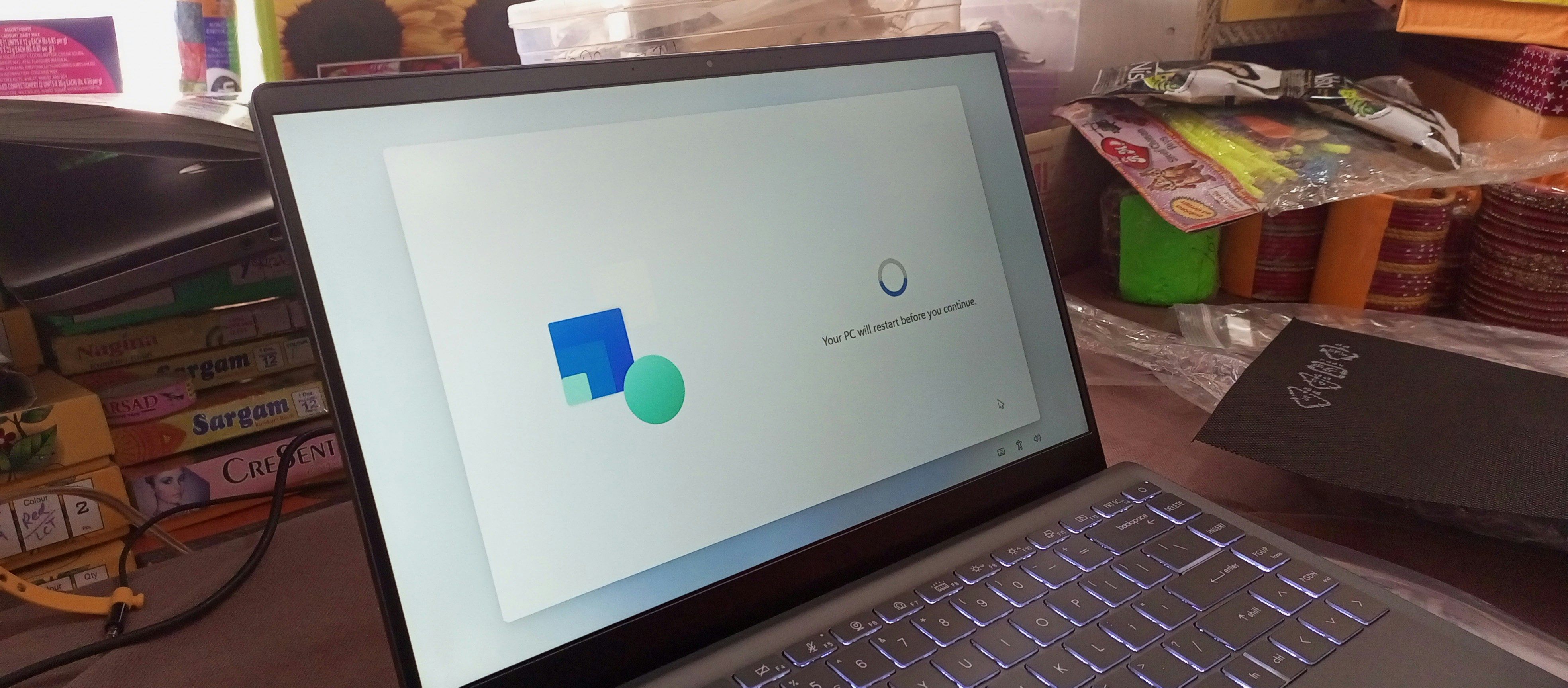
    It’s important to restart your PC after uninstallation is complete. This ensures that all changes take effect and any remaining files are removed from memory. By consistently managing your installed applications, you can maintain optimal performance on your Windows PC, enabling a smoother and faster user experience.

    Free Up Disk Space

    One of the most crucial steps to enhance the performance of your Windows PC is to free up disk space. Over time, as you install programs, download files, and use applications, your hard drive can fill up, leading to a decrease in efficiency. A cluttered disk can result in longer boot times, sluggish application responses, and an overall diminished user experience. Therefore, actively managing your disk space should be a priority for every PC user.

    To begin clearing up space, consider deleting temporary files that accumulate from regular system operations. These files can be removed manually or by using the built-in Disk Cleanup tool in Windows. This utility scans your hard drive for unwanted files and offers to eliminate them, potentially freeing up significant amounts of space.

    Another method involves identifying large files or folders that may not be essential to your day-to-day activities. Windows provides options to view storage usage by categories, allowing users to sort their files by size. Take this opportunity to archive or delete files, particularly large videos, installations, or duplicate images that may have been inadvertently saved in multiple locations.

    Utilizing external storage devices or cloud services is also an effective way to free up disk space. By transferring significant files that are not frequently accessed to these mediums, you can maintain a more organized and efficient local storage environment while still having access to your data when needed.

    Lastly, remember to uninstall programs that you don’t use or have outgrown. Many PCs host applications that are no longer necessary, consuming valuable disk space and potentially slowing down your system. Periodically reviewing and managing your installed programs can contribute significantly to maintaining optimal performance on your Windows PC.

    Reduce Visual Effects and Enhance Performance

    Windows operating systems are equipped with various visual effects that are designed to enhance user experience. However, on older machines or systems with limited hardware resources, these effects can significantly impede performance. Examples of such effects include animations, shadows, and transparency, which can consume valuable system memory and processing power. For users seeking to optimize their Windows PC, reducing or disabling these visual effects can lead to noticeable improvements in speed and responsiveness.

    To adjust these settings, users can navigate to the Performance Options menu. This can be accessed by right-clicking on the “This PC” icon, selecting “Properties,” and then choosing “Advanced system settings.” In the Advanced tab, there is a section labeled “Performance,” from which users can click on the “Settings” button to open the Performance Options window.

    Within the Performance Options, users will find several options to choose from. The first is the option to adjust for best appearance, which enables all visual effects. Alternatively, users can select “Adjust for best performance” to disable all effects entirely, or they can choose “Custom” to selectively disable specific features while retaining others. This customization allows users to find a balance between aesthetics and performance based on their individual needs.

    Common visual effects to consider disabling include fading menus, slide shows, and animations when minimizing and maximizing windows. By focusing on these adjustments, users will likely experience a key enhancement in their system’s overall performance, particularly when running resource-intensive applications or multitasking. This simple modification can be crucial for maintaining a smooth and effective computing experience on a Windows PC.

    Running Disk Cleanup Regularly

    Maintaining the performance of your Windows PC requires attention to routine tasks, one of which is conducting a disk cleanup. The built-in disk cleanup tool is an effective way to free up space, eliminate unnecessary files, and optimize your system’s performance. Regularly running this tool can significantly enhance the speed and efficiency of your computer.

    To initiate the disk cleanup process, navigate to the Start menu, type “Disk Cleanup” in the search bar, and select the tool from the results. After launching the application, you’ll be prompted to choose which drive to clean, typically the C: drive, where the operating system resides. After selecting the drive, the tool will scan for files that can be safely removed.

    The disk cleanup utility identifies various types of files, including temporary files, system files, Recycle Bin contents, and thumbnails. It also offers the option to delete previous Windows installations, which can take up significant space. It is crucial to review each category carefully, considering what files you truly want to delete. Selecting all unnecessary items will contribute to the restoration of valuable storage space.

    Performing disk cleanup not only generates free space but also enhances the overall performance of your PC. As files accumulate over time, they can slow down your system’s operations. By routinely clearing out these files, you minimize clutter, thereby streamlining processes and boosting responsiveness. It is advisable to schedule these cleanup sessions monthly or quarterly, depending on your usage habits, ensuring that your Windows PC remains in optimal working condition.